Shenzhen Advanced Institute of Chinese Academy of Sciences and Green Valley signed a strategic agreement to jointly tackle the diagnosis and treatment of brain diseases

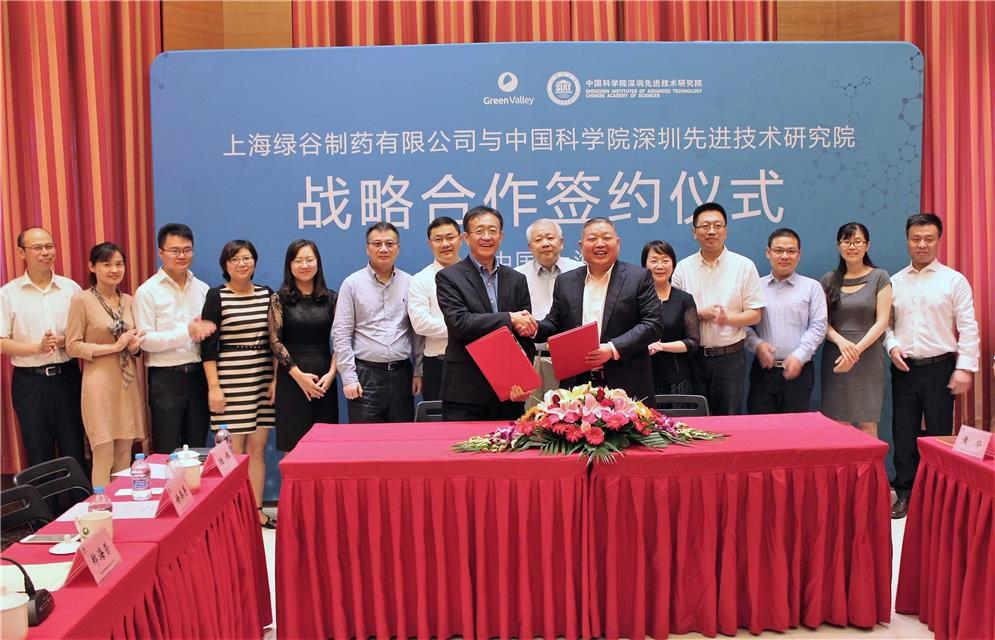
Shenzhen Advanced Technology Research Institute of the Chinese Academy of Sciences and Green Valley Pharmaceutical are signing a strategic cooperation agreement to jointly promote the transformation of scientific and technological achievements of the national major scientific research instrument development project "Deep brain stimulation and neural regulation technology based on ultrasonic radiation".

View Details

Green Valley Brain Tech settles in Nanshan Medical Equipment Industrial Park
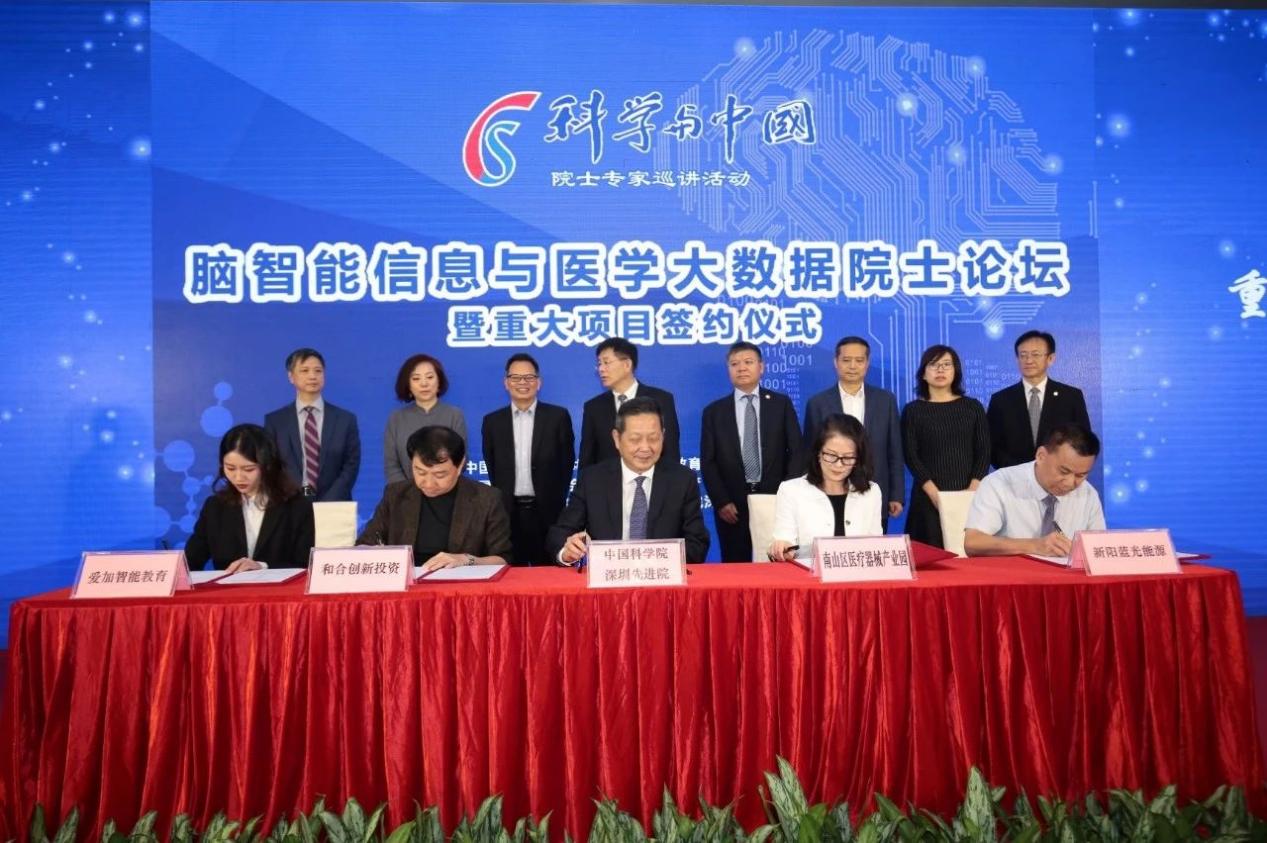
n order to accelerate the transformation of research achievements from the "National Major Scientific Research Instrument Project - Deep Brain Stimulation and Neural Regulation Technology Based on Ultrasonic Radiation Force" into productivity, the Shenzhen Institute of Advanced Technology of the Chinese Academy of Sciences and Shanghai Green Valley Pharmaceutical Co., Ltd.

View Details

Is human hibernation not a dream? Nature sub issue heavyweight: Chen Hong's team used ultrasound to turn on the 'hibernation switch'!

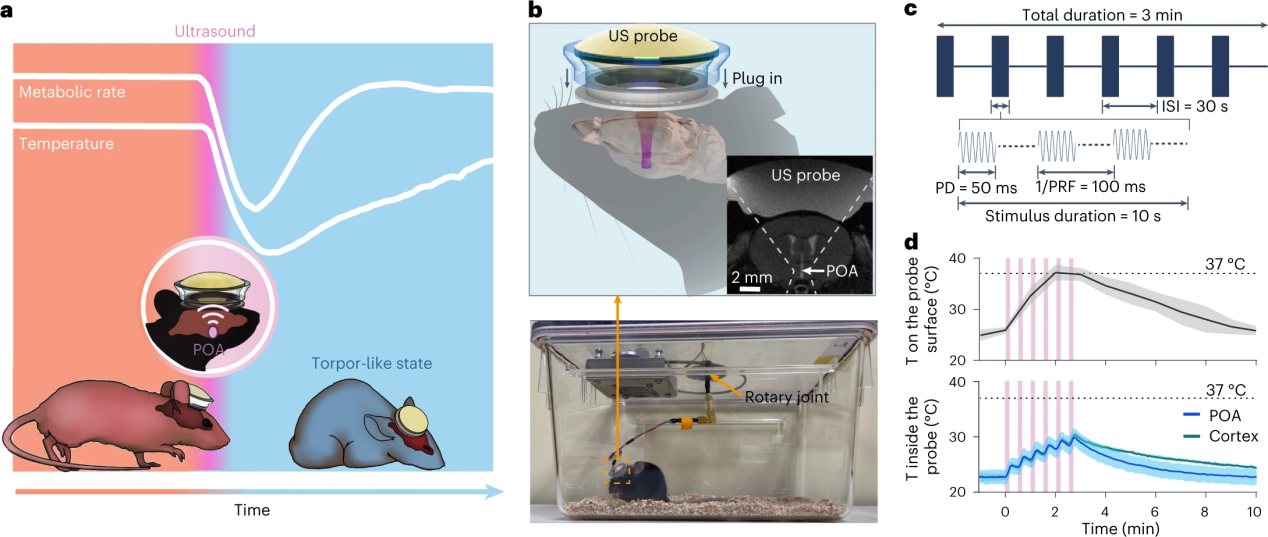
Torpor is a physiological state similar to hibernation, in which mammals inhibit metabolism, lower body temperature, and slow down other physiological processes to conserve energy. This state is believed to be controlled by the central nervous system (CNS). Ultrasound can penetrate the skull in a non-invasive manner and focus on the brain, and if focused on nerves, it has been shown to activate animal nerve cells.

View Details

Transcranial ultrasound regulates neural excitability, providing additional evidence!

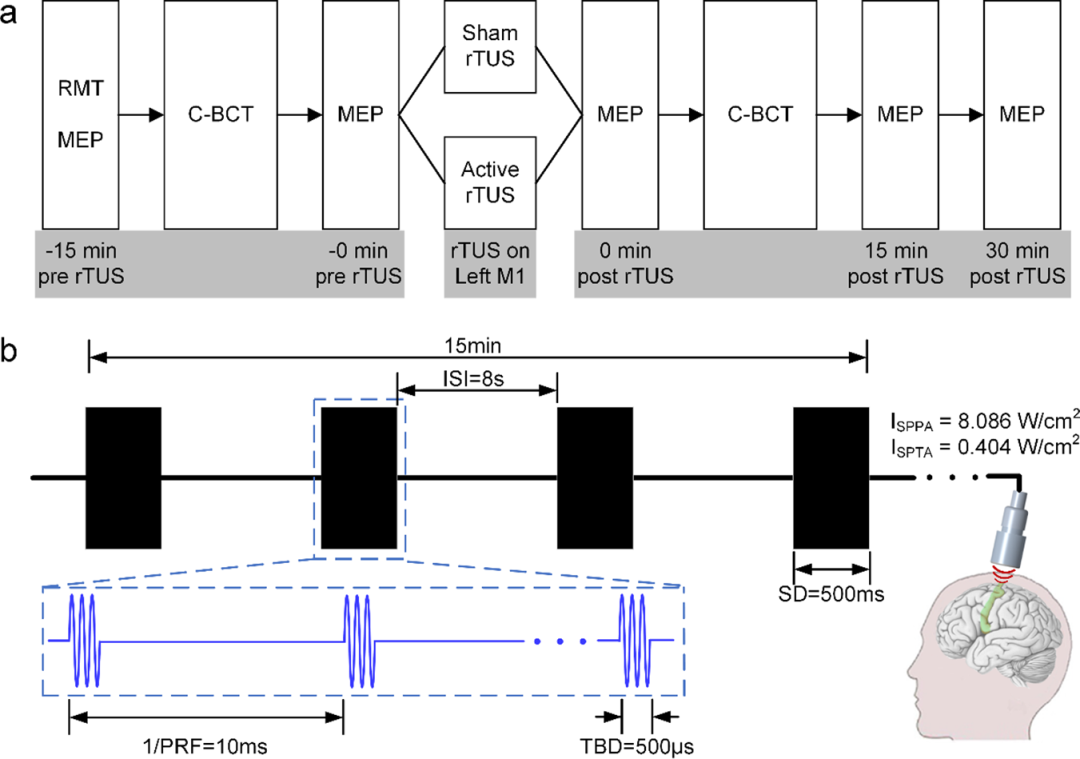
Low intensity transcranial ultrasound stimulation (TUS) is an emerging method of brain neural regulation that can reversibly, non invasively, high-resolution, and highly penetrative regulate the electrophysiological activity of nerve cells without increasing tissue temperature. It has gradually been applied in neuroscience research and brain disease treatment. However, it is still unclear whether TUS can regulate the excitatory balance between the bilateral cerebral hemispheres.

View Details

The future of non-invasive neural regulation? Transcranial ultrasound neural regulation is safer!
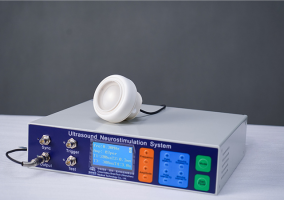
Since Harvey et al. began exploring the effects of ultrasound stimulation on neural tissue in 1929, scientists have never stopped exploring the use of ultrasound technology in scientific medicine, but most research has focused on in vivo or ex vivo animal experiments. Until 2013, Hameroff et al. pioneered the use of TUS technology to stimulate the frontal lobe of chronic pain patients and found that it could reduce the patient's pain experience. The research reports on TUS technology in the human body have rapidly increased, and there have been multiple studies on the application of TUS in healthy individuals, pain patients, elderly dementia patients, depression patients, and consciousness disorders patients.

View Details

Portable single channel ultrasound stimulator for scientific research

The Zhongke Green Valley Single Channel Ultrasonic Stimulator is a cost-effective focused ultrasound product designed for neural regulation, blood-brain barrier opening, tissue and cell physiological state research. It has the advantages of high precision, wide application scenarios, can be combined with other imaging technologies, exquisite appearance and volume, low consumables consumption, safety and environmental protection.

View Details

< 12 >