

Global leading ultrasound intervention technology for brain diseases
Brain nerve regulation&brain lesion damage

Global tFUS
Source Creation Technology
tFUS-Innovative Technology
transcranial focused ultrasound stimulation
Low-intensity transcranial focused ultrasound stimulation (tFUS) is a revolutionary non-invasive physical neurorehabilitation technique. The main principle is: when the ultrasonic transducer focuses on the target brain tissue with rhythmic low-intensity ultrasonic pulses, the mechanically sensitive ion channels on the neurons in the target area feel the acoustic radiation force, change from a closed state to an open state, induce ion exchange inside and outside the membrane, and then regulate the generation and transmission of action potentials to achieve the purpose of exciting or inhibiting brain functional activities. Compared with transcranial magnetic stimulation (TMS) or transcranial electrical stimulation (TES) of the superficial cortex range stimulation, tFUS has the unique technical advantages of high precision, large depth and visualization.
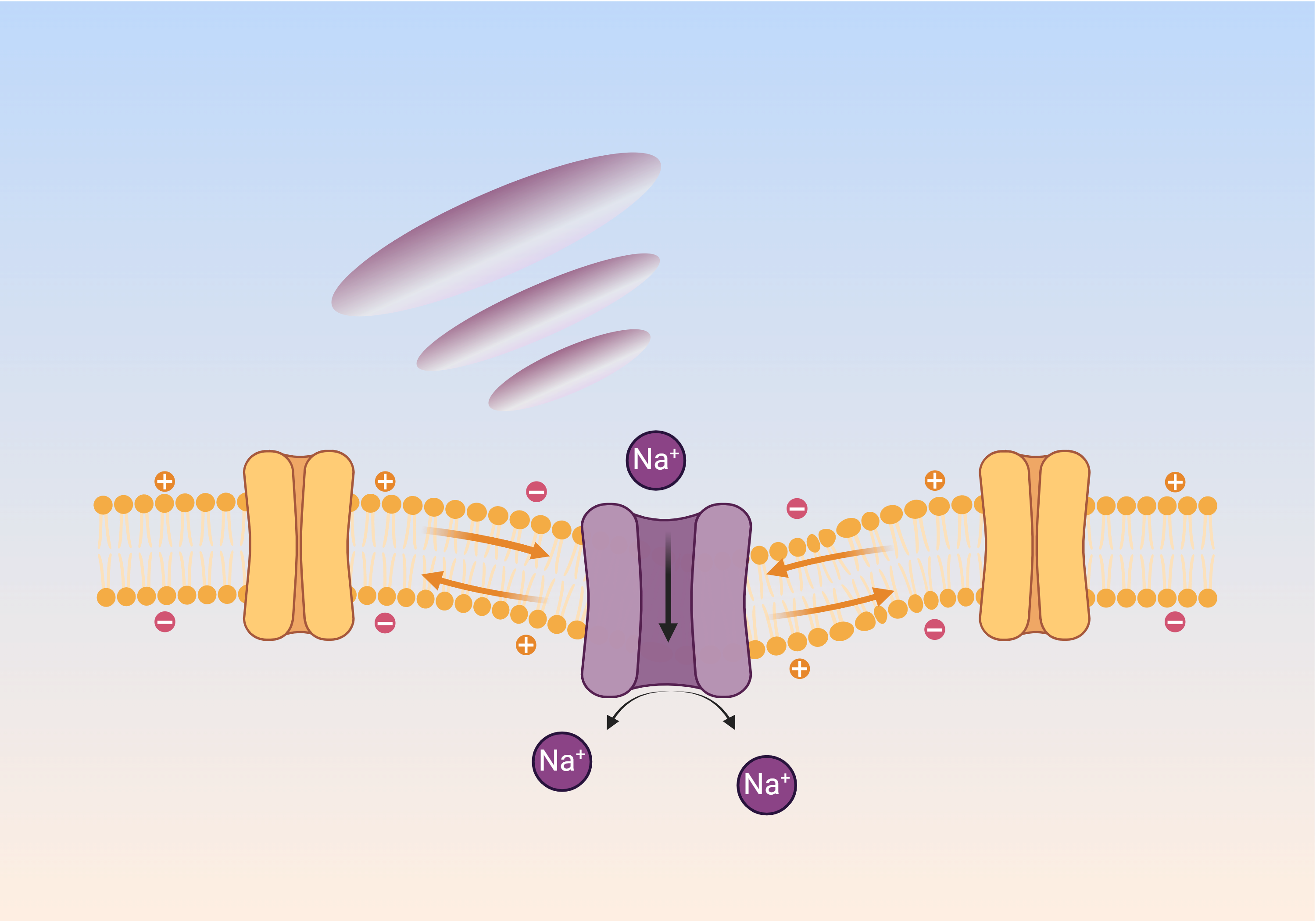
tFUS-Unique Advantage
High spatial resolution
The spatial resolution is 1-5mm, which can accurately target abnormal brain functional areas and realize "point-to-point" precise stimulation.
high penetration
Follow-up focus, the maximum depth can reach more than 10cm, breaking through the limitation of brain physical non-invasive neural regulation depth.
Real-time union
Real-time joint magnetic resonance, EEG, near-infrared detection and evaluation tools
Our technology
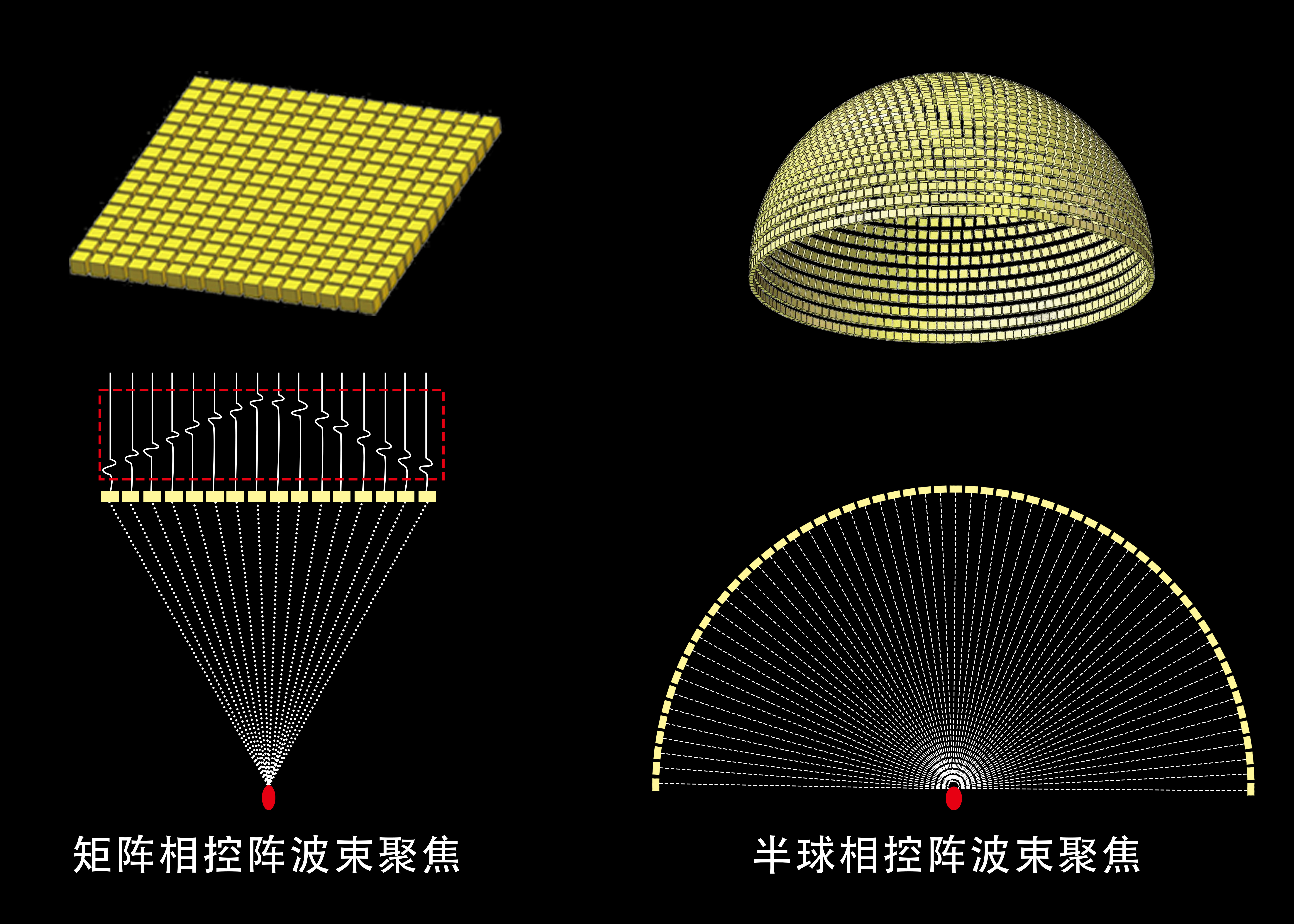
Advanced focused phased array transducer technology
The first plug-in transducer, based on precise array design, precise single element spacing arrangement, advanced phase control, electronic control, and intelligent algorithms of computing machines, achieves efficient and stable operation of 128 channels, 256 channels, and 1024 channels.
• < 5%: The output difference between array elements is less than 5%, indicating high output consistency
• < 5%: 24-hour operation error<5%, long-term stable operation
• >75%:Electroacoustic conversion rate>75%, efficient energy conversion
• >30%:Effective penetration rate of sound is greater than 30%, resulting in inefficient energy loss
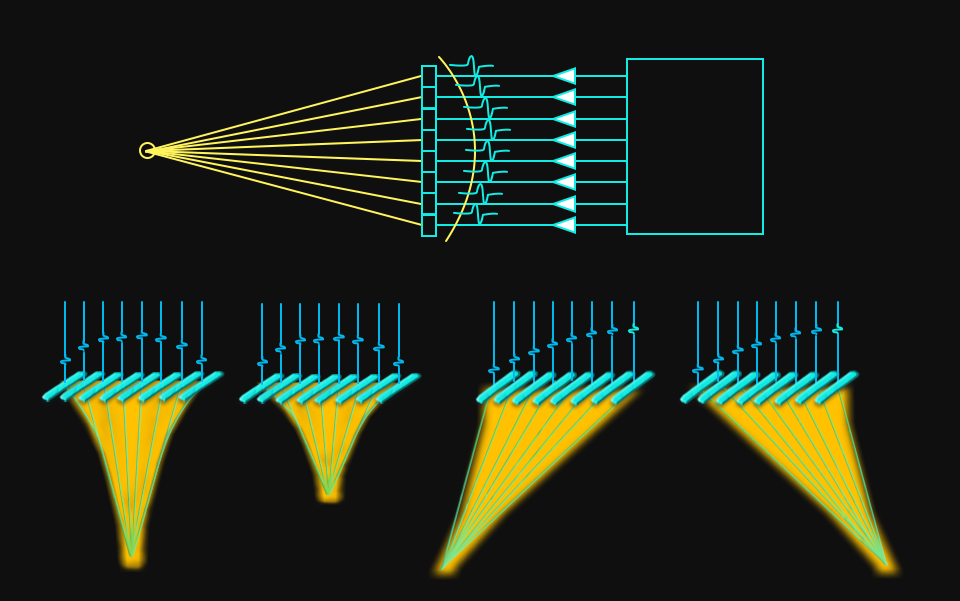
The world's leading ultrasound transcranial focusing and manipulation technology
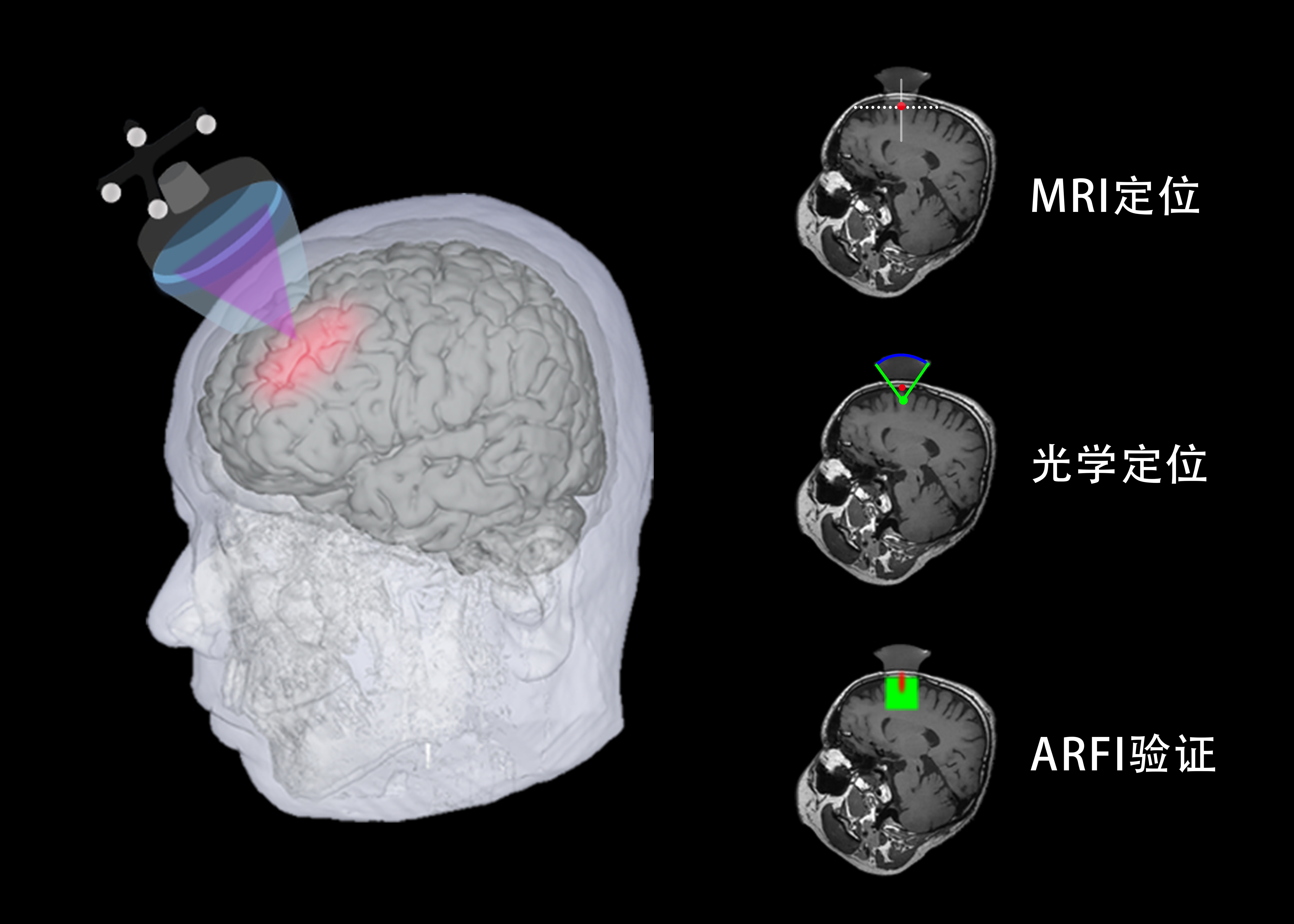
Multi mode, high-precision navigation and target positioning technology
tFUS-Safe and Effective

Numerous clinical studies
The Green Valley Brain Tech Magnetic Resonance Guided Ultrasound Brain Neural Regulation System is a research product developed for the treatment and scientific research of refractory epilepsy, focusing on combined magnetic resonance imaging (MRI) technology. It can use MRI technology to visualize and monitor the treatment head and target location, skull surface, and intracranial tissue temperature during the treatment process through image reconstruction, acoustic radiation imaging, temperature imaging, and other methods.
Security meta-analysis
The Green Valley Brain Tech Magnetic Resonance Guided Ultrasound Brain Neural Regulation System is a research product developed for the treatment and scientific research of refractory epilepsy, focusing on combined magnetic resonance imaging (MRI) technology. It can use MRI technology to visualize and monitor the treatment head and target location, skull surface, and intracranial tissue temperature during the treatment process through image reconstruction, acoustic radiation imaging, temperature imaging, and other methods.
Validation of clinical safety and efficacy
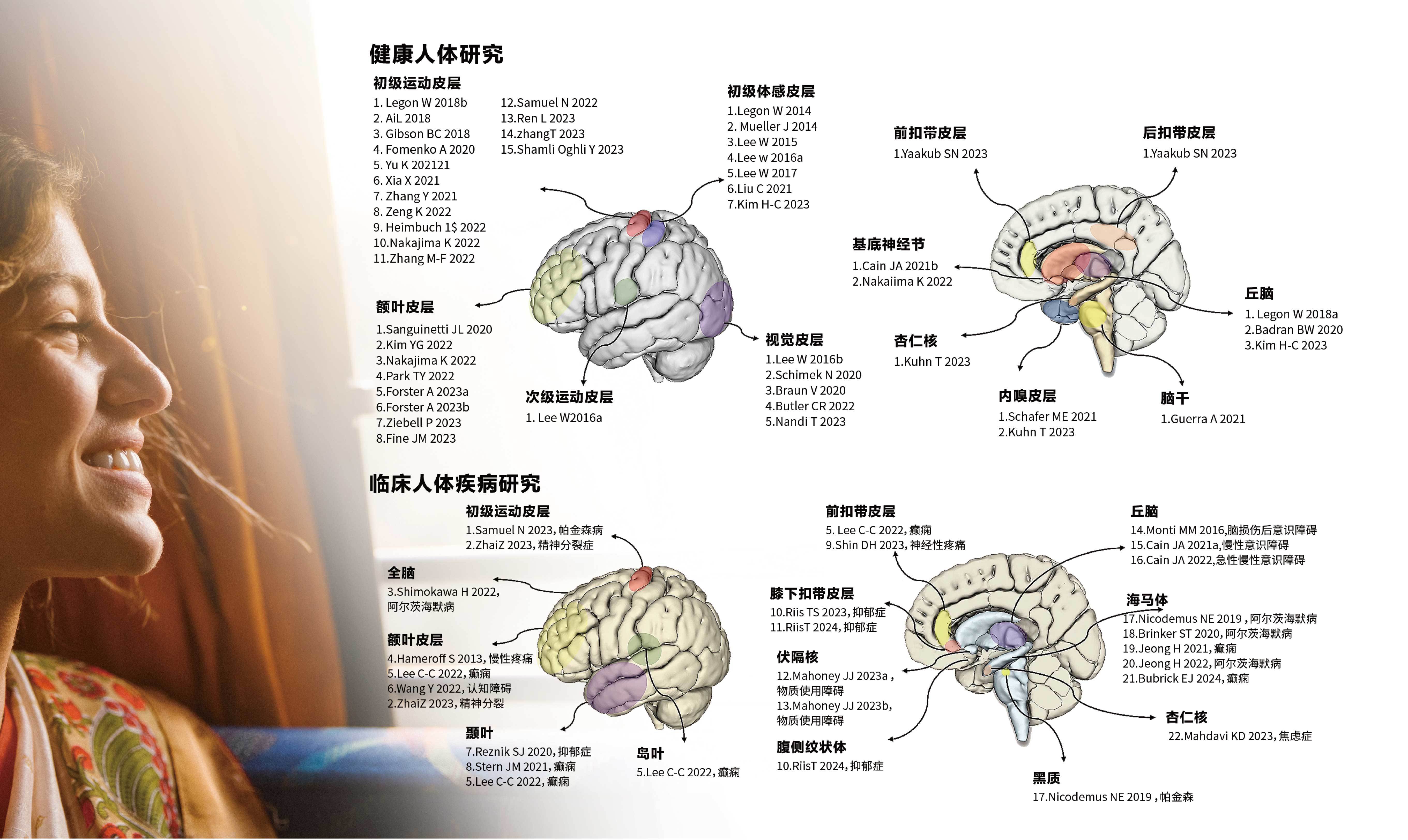
- As of mid -2024, research on tFUS technology has been2000+ ArticleThere have been nearly 70 high-quality clinical reports on the application of ultrasound in the regulation of human brain nerves, including healthy people, chronic pain, disturbance of consciousness, Alzheimer's disease, Parkinson's disease, depression, schizophrenia, anxiety, Drug use disorders, epilepsy, stroke and other diseases, with more than 1000 subjects.
- The stimulation of tFUS was mild and the probability of adverse reactions was low. Adverse reactions that may occur during or after treatment include: headache; dizziness, nausea; facial convulsions; emotional changes; transient increase in hearing threshold; emotional changes, endocrine effects, etc. Adverse reactions are generally short-lived and mild, and can be relieved and disappear in a few minutes after treatment, without long-term effects. So far, no serious adverse reactions have been reported.
tFUS peripheral applications
Wound healing
Thrombolysis
Bone repair
Pain relief





Quick Links
Products
Contact Information
702, Building E, Qihang Kechuang Research and Development Industrial Park, 1008 Songbai Road, Sunshine Community, Xili Street, Nanshan District, Shenzhen City
©2023 Zhongke Green Valley (Shenzhen) Medical Technology Co., Ltd. All rights reserved
Website construction:China Enterprise Power Shenzhen SEO