

 |
Low intensity transcranial focused ultrasound stimulation (tFUS)It is a revolutionary non-invasive treatment for depression, based on the unique ultrasound mechanical effects of Zhongke Green Valley Global Source, breaking the limitations of traditional non-invasive neural regulation methods. Compared to other neural regulation methods, tFUS technology has high penetration and can effectively reach any brain area, with a spatial resolution of millimeters (1-5mm). It can be combined with magnetic resonance imaging (MRI) and other imaging devices in real time to achieve precise positioning, stimulation, and evaluation.
TFUS uses ultrasound radiation to accurately target the cerebral cortex, deep neural tissue, or nuclei, which can quickly, safely, and effectively activate neuronal ion channel proteins, change neuronal discharge frequency, regulate the physiological state of neural tissue, restore brain function, promote patients' mental health, and improve their emotional experience and quality of life.
As an innovative non-invasive neural regulation method, tFUS stimulation is mild, highly accepted by patients, and does not cause significant adverse reactions or side effects. Treat for 20 minutes every day and enjoy significant emotional improvement within 2 weeks. |
Depressive disorder: mental 'cold'
|
►Depression is one of the most common mental disorders, which refers to a type of mood disorder characterized by significant and persistent low mood caused by various reasons, accompanied by varying degrees of cognitive and behavioral changes. Some patients may engage in self harm, suicidal behavior, and even death as a result. |
 |
|
►The main clinical manifestations of depressive disorders include core symptoms and other related symptoms. The core symptoms are low mood, loss of interest and pleasure, and easy fatigue. In addition, patients may experience reduced ability to concentrate and pay attention, decreased self-evaluation and confidence, self blame and worthlessness, self harm or suicidal thoughts or behaviors, sleep disorders, decreased or increased appetite, and other symptoms. |
|
|
►Patients with depression have a high recurrence rate, with a recurrence rate of up to 50% to 85% for those who experience relief from their first depressive episode. However, for those who experience relief from their third or more episodes and do not receive maintenance treatment, the risk of recurrence is almost 100%. Even if the disease improves, 20% to 35% of patients will still have residual symptoms and impaired social function. |
|
|
►According to epidemiological data from the World Health Organization in 2018, there are approximately 320 million people with depression worldwide. There are approximately 95 million patients with depression in China, but only 9.5% of them have received treatment and only 0.5% have received adequate treatment.
|
|
|
►At present, depression has become the second largest killer of humanity and the second largest disease burden in China. WHO predicts that by 2030, depression will become the top disease burden globally. However, the etiology of depression is currently unclear, but it can be confirmed that various factors such as biology, psychology, and social environment are involved in the pathogenesis of depression. |
|
Treatment methods for depressive disorders
Currently, the treatment of neurological and psychiatric disorders has become a global challenge, medication therapy, psychotherapy, electroconvulsive therapy (ECT), transcranial magnetic therapy (TMS) and other therapies all have certain technical limitations, and a large number of patients cannot meet their treatment needs. Therefore, it is still urgent to develop safer and more effective treatments for neurological/psychiatric disorders.
Drug treatment
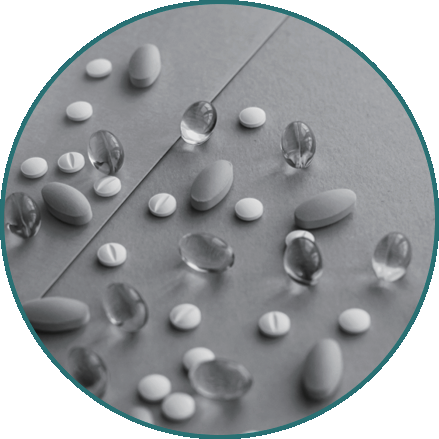
Antidepressants are divided into different types, and most drugs improve mood by regulating neurotransmitters in the brain. The efficacy of medication varies from person to person, and some patients may need to adjust their treatment plan multiple times with the help of a doctor in order to find the appropriate antidepressant for themselves.

Psychological treatment
Psychotherapy is a traditional treatment method that includes psychodynamics, cognitive-behavioral, interpersonal relationship therapy, and more. It can take the form of one-on-one individual therapy or group therapy. Psychological therapy takes longer to take effect, and the frequency of treatment is determined through consultation between the therapist and the patient.
Physical therapy
Repetitive transcranial magnetic stimulation, transcranial direct current stimulation, and other methods have been widely used in clinical practice. For patients with severe depression and a risk of suicide, multiple guidelines at home and abroad recommend non convulsive electroconvulsive therapy, which can quickly take effect with an effective rate of 70% to 90%. In addition, acupuncture and moxibustion, light therapy and exercise therapy have been proved to be beneficial to the improvement of depression.

TFUS treatment
TFUS technology, based on the neural regulation mechanism of ultrasound mechanical effects, is an emerging treatment method that is non-invasive, safe, precise, deeply penetrating, highly accurate, has minimal side effects, does not require anesthesia, has definite therapeutic effects, low treatment costs, fast and convenient, and highly accepted by doctors and patients.

The efficacy of tFUS in treating depression
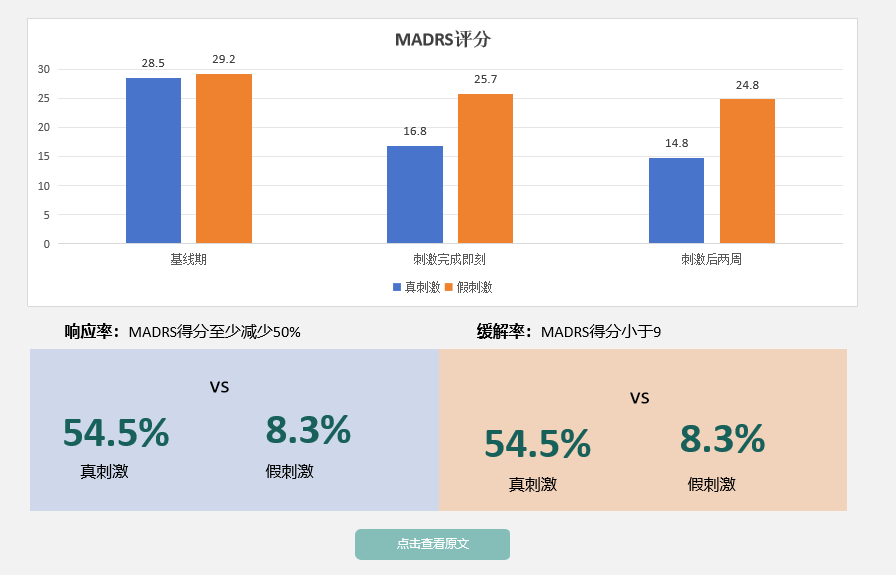
It has been widely proven that utilizing the unique high penetration and spatial resolution of ultrasound, tFUS can achieve millimeter level precise and effective stimulation of tissues such as the frontal lobe and thalamus, reducing the impact on surrounding brain tissue and lowering the possibility of treatment side effects. Combined with personalized diagnosis and treatment plans, it can achieve rapid and effective relief of the disease. A single blind, placebo-controlled study on refractory depression published in Neurology, Psychiatry, and Brain Research in 2020 showed that using tFUS to stimulate the dorsolateral prefrontal cortex of patients for 20 minutes each time, after receiving three stimuli, the Montgomery Depression Rating Scale (MADRS) score of the true stimulation group decreased from baseline (28.5 ± 8.4) to (16.8 ± 6.8), and further decreased to (14.8 ± 7.2) two weeks after the end of the stimulation, with significant improvement in depression and anxiety symptoms. In addition, neuroimaging results showed that the connectivity between the subgenus anterior cingulate cortex (sgACC) and the medial frontal lobe, cerebellum, and middle frontal gyrus was enhanced after stimulation, further confirming the neural regulatory effect of tFUS.
Contraindications and safety of tFUS treatment
|
TFUS stimulation is mild,the probability of adverse reactions occurring is extremely low (about 3%). Adverse reactions are generally short-lived and mild, and can be relieved or disappear on their own within a short period of time after treatment, with no long-term effects. There are currently no reports of serious adverse reactions occurring!
Possible adverse reactions include:
|
 |
Recommended treatment course for depression with tFUS
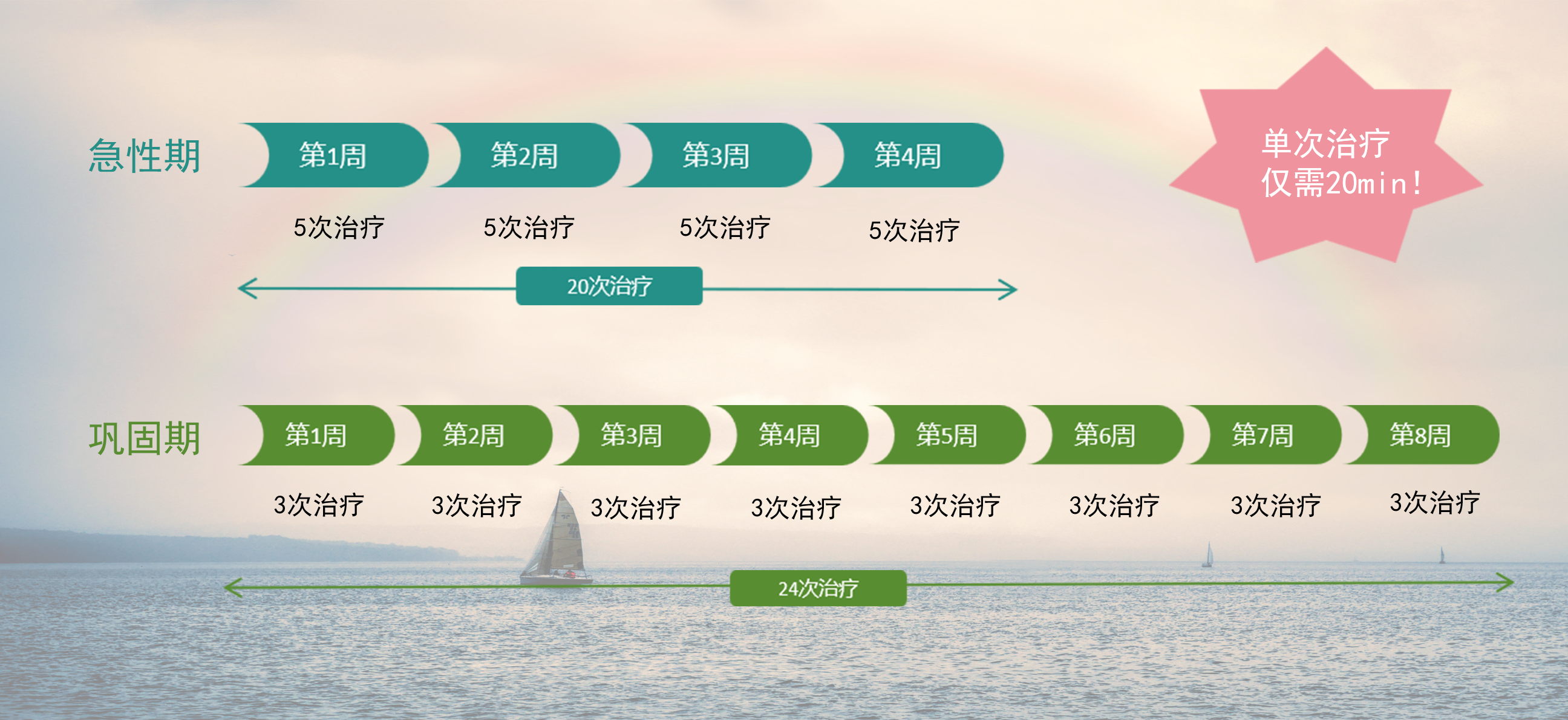
The conventional tFUS treatment cycle is divided into a rapid acting period and a consolidation period. The quick acting period is 5 times a week, lasting for 1 month, for a total of 20 times, which can quickly relieve depression related symptoms. To enhance clinical efficacy and reduce disease rebound or recurrence, the consolidation period treatment will be maintained for 2 months, 3 times a week, for a total of 24 times. The recommended total treatment duration is 3 months, and doctors and patients can adjust it according to their actual situation.
You may also be interested in the following
BMEF: Low intensity focused ultrasound assisted treatment of ischemic stroke





Quick Links
Products
Contact Information
702, Building E, Qihang Kechuang Research and Development Industrial Park, 1008 Songbai Road, Sunshine Community, Xili Street, Nanshan District, Shenzhen City
©2023 Zhongke Green Valley (Shenzhen) Medical Technology Co., Ltd. All rights reserved
Website construction:China Enterprise Power Shenzhen SEO